 EN
EN
Blok Cepu
- Home
- Blok Cepu
Blok Cepu
The Cepu Block Mining Working Area covers 919.19 km2 (91,120 ha), spanning two regions: Bojonegoro Regency in East Java Province and Blora Regency in Central Java Province. Exploration activities in the Cepu Block have yielded oil and gas discoveries in six structures: Cendana, Banyu Urip, Jambaran, Kedung Keris, Alas Tua West, and Alas Tua East. The Cepu Block PSC commenced commercial oil production on August 31, 2009. The Cepu Production Sharing Contract (PSC) was signed on September 17, 2005, covering the Cepu contract area in Central and East Java by ExxonMobil Cepu Limited (EMCL), Ampolex Cepu Pte Ltd, PT Pertamina EP Cepu, and four Regionally-Owned Enterprises: PT Asri Dharma Sejahtera (Bojonegoro), PT Petrogas Jatim Utama Cendana (East Java), PT Blora Patragas Hulu (Blora), and PT Sarana Patra Hulu Cepu (Central Java), all of which are contractors under the Cepu PSC. The Cepu PSC will continue until 2035. A Joint Operating Agreement (JOA) has been signed by the contractors, with ExxonMobil acting as the operator of the Cepu PSC on behalf of the contractors.
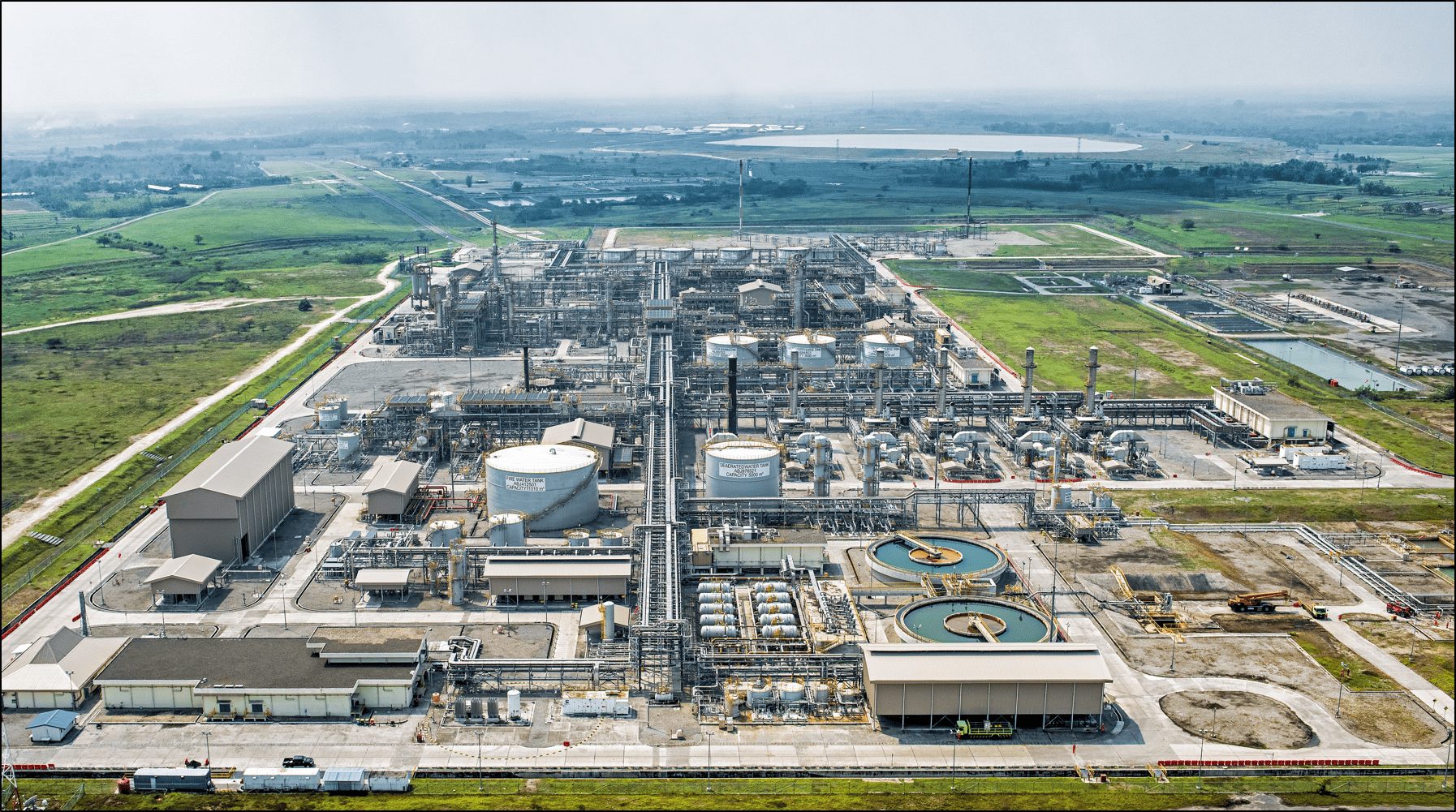
Oil produced in the Block's working area is processed at the Central Processing Facility (CPF). Crude oil delivery pumps will be located at the CPF to transport crude oil to the offshore Floating Storage and Offloading (FSO) facility via the Tuban Coastal Facility. This facility includes pigging equipment for both onshore and offshore pipelines, and is equipped with communications equipment to support smooth operations and system monitoring.
Banyu Urip Field
Approval and Initial Reserves: The Plan of Development (POD) for the Banyu Urip Field was approved by the Minister of Energy and Mineral Resources on June 15, 2006, with an initial estimated oil reserve of 450 million barrels.
Key Processing Facilities: Full development involves the construction of a Central Processing Facility (CPF), onshore/offshore pipelines, and the Gagak Rimang Floating Storage and Offloading (FSO) facility in Tuban.
Oil Transportation System: Oil processed at the CPF is transported through 20-inch diameter insulated pipelines (including subsea pipelines) to the FSO for onward shipment to domestic and global markets by tanker.
Development Stages: The structure is being developed through two main phases: Early Production (completed on January 16, 2016) and the current Full Field phase.
Operational History: The Banyu Urip Field first started production (onstream) on August 31, 2009 using Early Processing Facilities (EPF), before full-scale Central Processing Facilities (CPF) were put into operation in 2015.
Kedung Keris Field
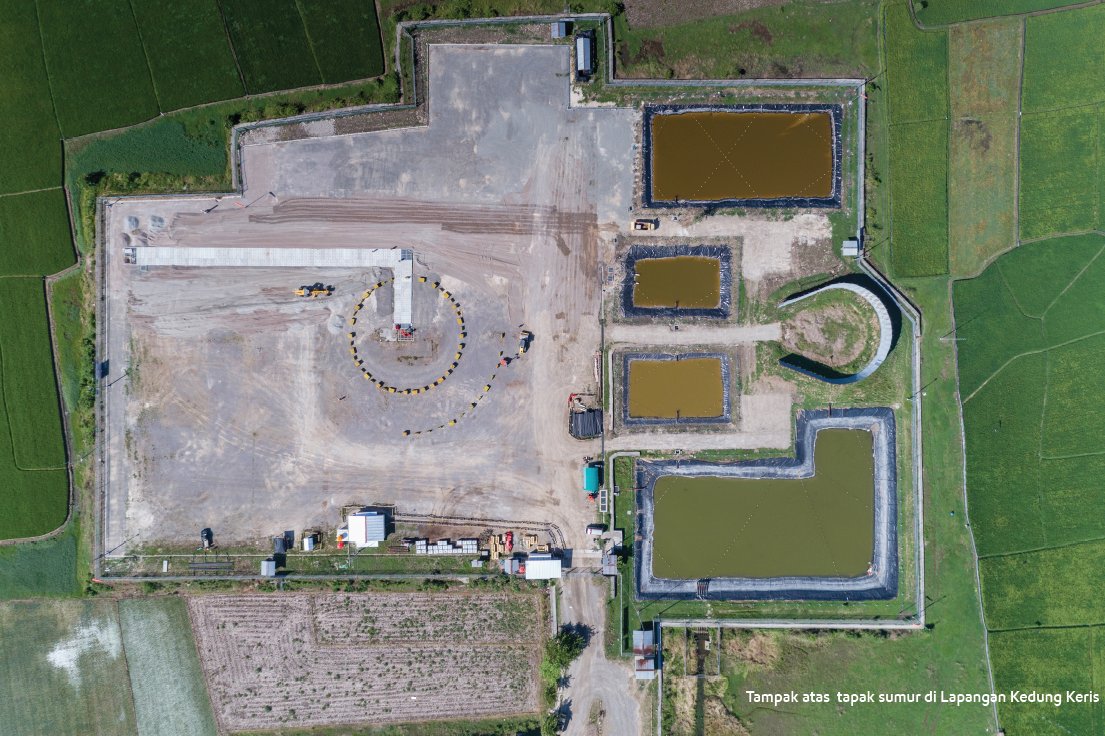
Discovery and Location: Announced by EMCL in April 2011 as the second oil discovery in the Cepu Block. The wellpad is located in Sukoharjo Village, Kalitidu District, Bojonegoro.
Facility Integration: Production from the Kedung Keris Field is integrated through the Banyu Urip Central Processing Facility (CPF) to the Gagak Rimang FSO in Tuban.
Initial Production (Onstream): The Kedung Keris Field began production on November 22, 2019, through well KK01.
